Engineering & AI·22 min read·February 6, 2026
The Service Design Implications of AI Agents: What Engineers Need to Know
When AI agents become your primary users, your API is your UX. This collapse of system design and service design demands new engineering frameworks for error handling, state management, and trust.

Viktor BezdekEngineering / Product Leadership
There is a quiet revolution happening at the boundary between your systems and their users. For three decades, engineers have built backends and designers have built frontends, and the two disciplines have communicated through wireframes, design systems, and API contracts. But when an AI agent is the one calling your API, parsing your errors, and deciding what to do next — the frontend disappears. Your API becomes the user interface. Your error messages become the user experience. Your system architecture becomes your service design. This collapse changes everything about how engineers should think about building systems.
Nielsen Norman Group recently published a prescient piece on how service design will evolve with AI agents, arguing that the traditional service blueprint — with its neat separation of frontstage and backstage — breaks down when AI agents mediate the interaction. They’re right, but the implications for engineering teams run deeper than the design community has articulated. When agents become the primary interaction mode, decisions that engineers have historically treated as ‘internal implementation details’ suddenly become user-facing. Your retry logic, your error taxonomy, your rate limiting strategy, your session management — these aren’t backend concerns anymore. They’re UX decisions.
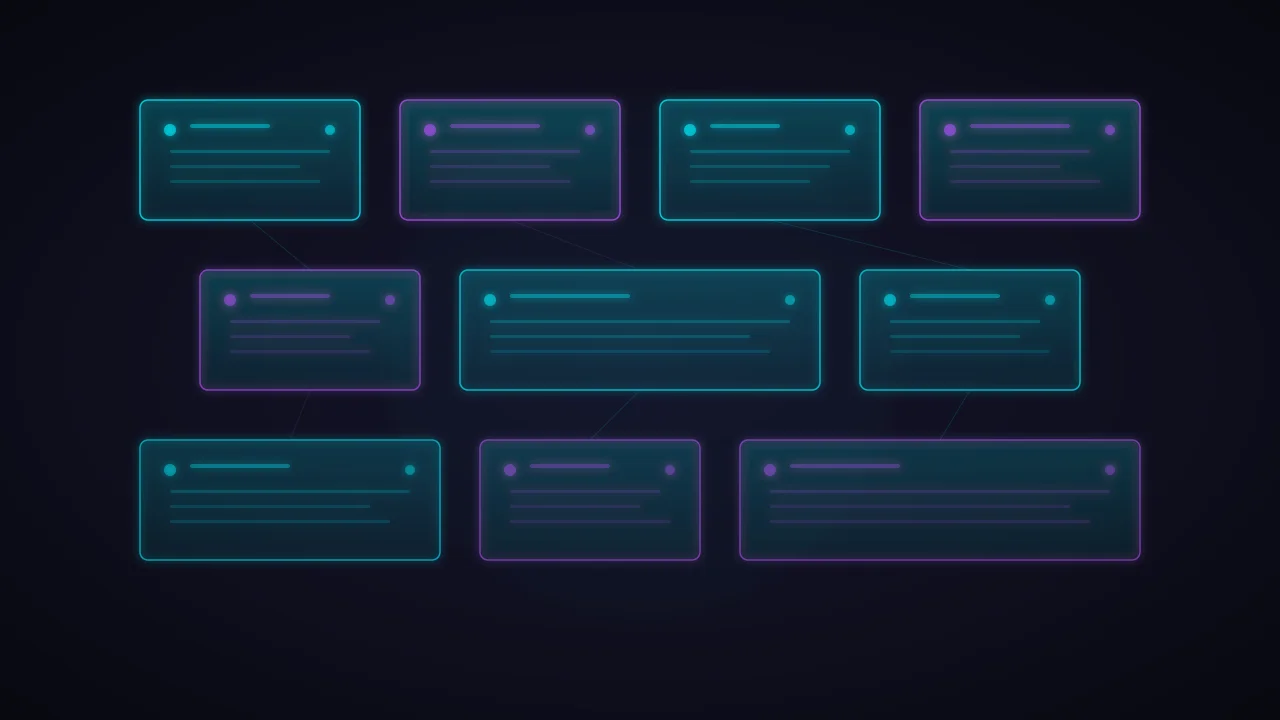
Framework 1: The Semantic Error Contract
Consider what happens today when a human user encounters a 500 error on a website. They see a friendly error page, maybe refresh, maybe try again later. The experience is degraded but navigable. Now consider what happens when an AI agent encounters that same 500. It has no visual context, no intuition about whether to retry, no ability to ‘wait a moment and try again.’ It receives a status code and a body. If your error response is a generic ‘Internal Server Error,’ the agent is functionally blind. It cannot reason about what went wrong, whether the operation partially succeeded, whether retrying is safe, or what alternative action might work. Your error handling just became the most important UX surface in your entire system.
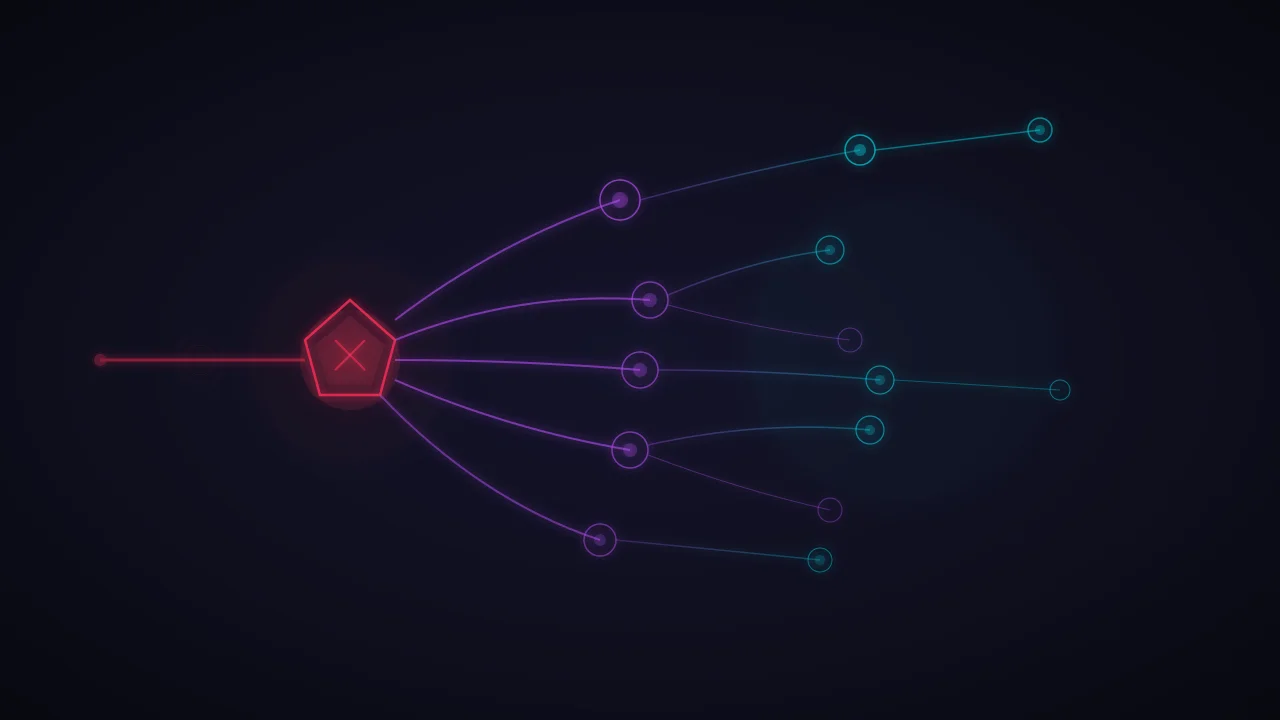
This leads to the first engineering framework that agent-native design demands: the semantic error contract. Every error your system returns must answer four questions for the consuming agent. Is this error transient or permanent? Is the operation safe to retry? What specific constraint was violated? What alternative action, if any, would succeed? These aren’t new ideas for API design purists, but they’ve been nice-to-haves for most teams. When agents are your users, they become hard requirements. An agent that receives a 429 with a Retry-After header can plan intelligently. An agent that receives a 400 with a structured body explaining which field failed validation and what values are acceptable can self-correct without human intervention. An agent that receives an opaque error blob is a dead end.
- Is this error transient or permanent?
- Is the operation safe to retry?
- What specific constraint was violated?
- What alternative action, if any, would succeed?
The implications extend beyond error responses into the fundamental shape of your APIs. Traditional API design optimizes for developer experience — clear documentation, consistent naming, predictable behavior. Agent-native API design must optimize for machine reasoning. This means your APIs need to be self-describing in ways that go beyond OpenAPI specifications. Agents need to understand not just what endpoints exist and what parameters they accept, but the semantic relationships between operations, the preconditions for success, the side effects of each action, and the business rules that govern state transitions. This is the difference between documenting an API and making it navigable by a reasoning system.
Your error handling just became the most important UX surface in your entire system.
Framework 2: Recoverable Action Design
Think about it through the lens of a concrete example. An agent is trying to book a meeting room for a user. It calls your room availability endpoint and gets back a list of open slots. It selects one and calls the booking endpoint — but the booking fails because the user’s department has exceeded its monthly room quota. In a GUI workflow, the user would see an inline error, perhaps a link to request a quota increase, maybe a suggestion to use a different room type. The ‘service’ was designed around these recovery paths. But the agent received a 403 with a message about quotas. Now what? Without structured metadata about what the constraint is, who can lift it, and what alternatives exist, the agent has to give up or hallucinate a recovery path. The service design has failed because the system design didn’t account for agentic reasoning about failure states.
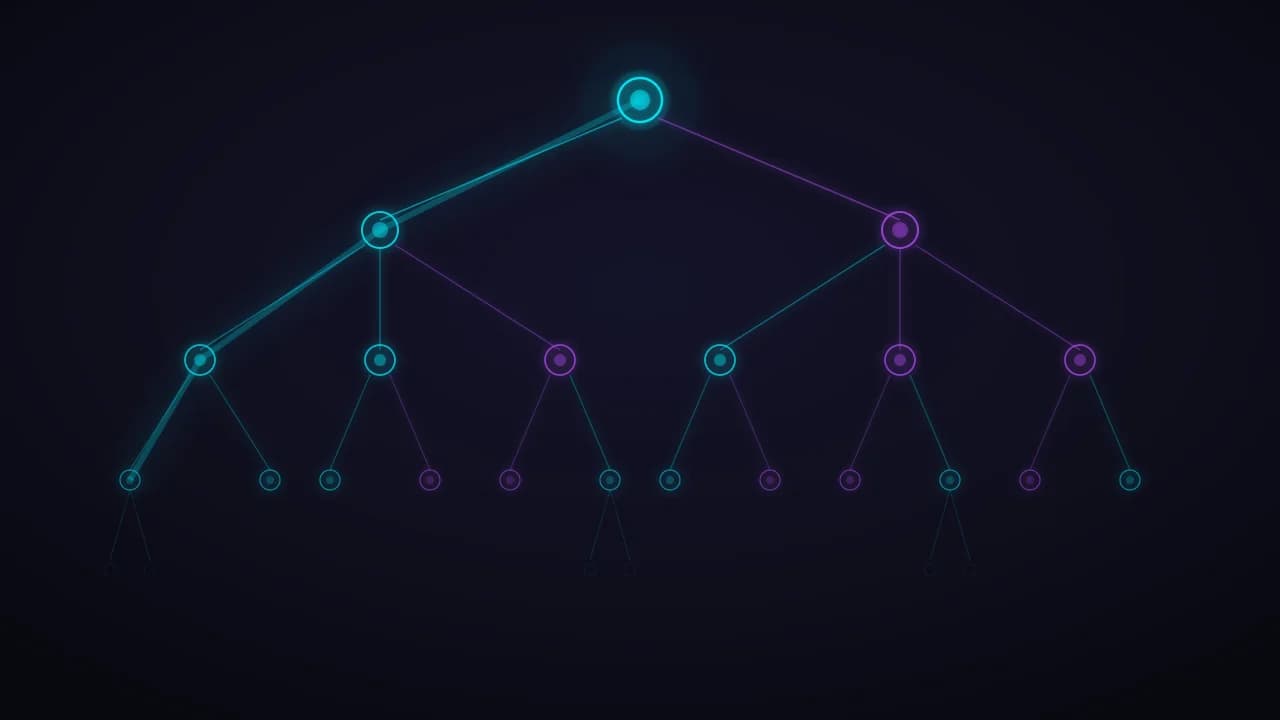
This brings us to the second framework: recoverable action design. Every state-changing operation in an agent-native system should expose its recovery graph — the set of alternative actions or escalation paths available when the primary action fails. This isn’t about building a chatbot on top of your API. It’s about encoding the same institutional knowledge that a human support agent would use into the structure of your responses. When booking fails due to quotas, the response should include: the constraint type (department quota), the resolution path (request increase from department admin), alternative actions (book a smaller room, book in a different building, request a temporary exception), and escalation options (contact facilities team). This metadata exists in your organization today — it’s just trapped in Confluence pages and tribal knowledge. Agent-native design makes it machine-readable.
Framework 3: Temporal Contracts
The third framework concerns something engineers rarely think about as a design surface: temporal coupling. Human users are remarkably good at maintaining context across time. They remember what they were doing yesterday, they can pick up a multi-step process after a lunch break, they understand that certain actions take time to complete and they should check back later. AI agents have none of this natural temporal intelligence. Every interaction is, by default, stateless and immediate. This creates a fundamental tension with real-world service design, which is inherently temporal — approvals take time, resources become available asynchronously, processes have waiting periods.
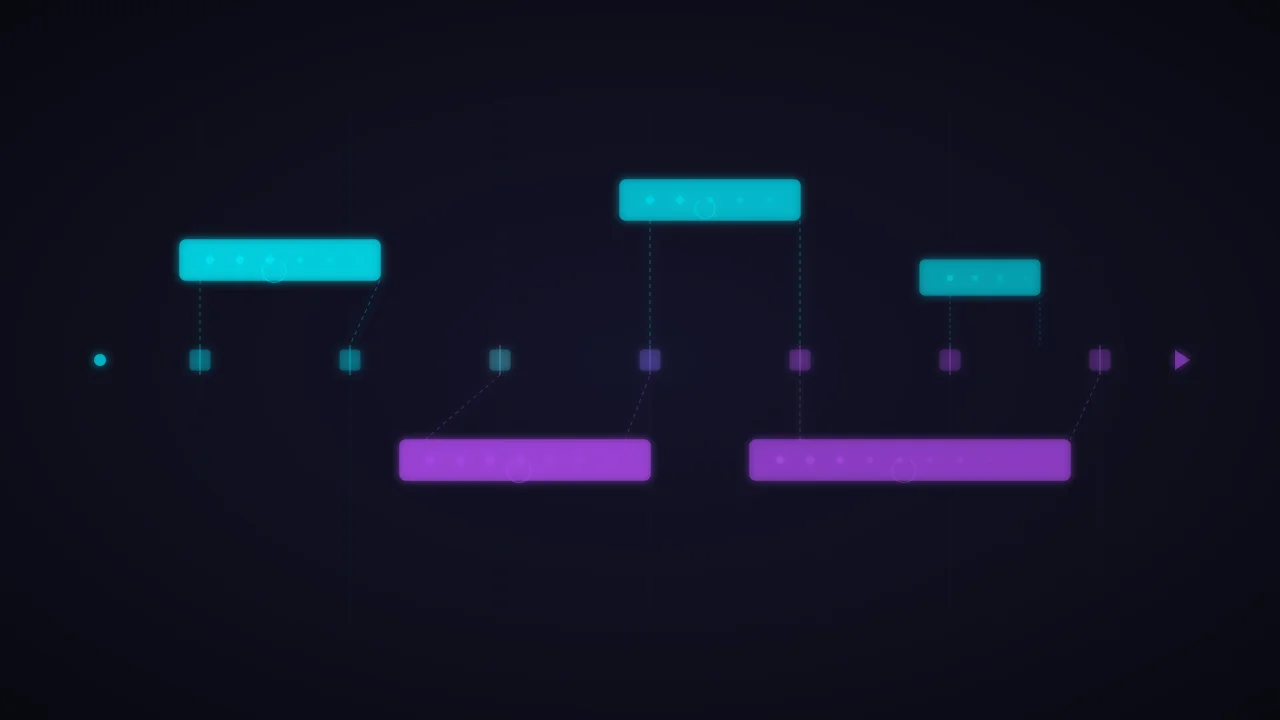
Agent-native systems need explicit temporal contracts. When an operation initiates an asynchronous process, the system must provide: an estimated completion window, a mechanism for status polling or callback notification, a clear description of what the pending state means (is the action committed? reversible? partially complete?), and the set of actions available during the waiting period. Webhook callbacks and polling endpoints aren’t new, but the rigor of their design contracts must increase dramatically. An agent that initiates a deployment approval and receives a 202 Accepted with no further structure cannot participate meaningfully in the approval workflow. An agent that receives a rich status object with the approval chain, current position, estimated time, and available actions (nudge approver, escalate, cancel) can manage the process end-to-end.
Framework 4: Trust Negotiation
The fourth framework — and perhaps the most consequential for system architects — is trust negotiation. In the GUI world, trust boundaries are enforced through visual controls: buttons that are grayed out, pages that require login, features gated behind subscription tiers. The user understands their capabilities through what they can see and interact with. Agents don’t browse your interface to discover their permissions. They need programmatic capability discovery — a machine-readable way to understand what they’re authorized to do, at what scope, with what rate limits, and under what conditions.

This goes beyond OAuth scopes and API key permissions. True agent capability negotiation means exposing: the full set of operations available to this agent’s identity, the constraints on each operation (rate limits, quotas, approval requirements), the conditions under which capabilities change (time-of-day restrictions, contextual access), and the mechanism for requesting elevated capabilities when needed. Think of it as making your authorization layer conversational. Instead of just accepting or rejecting requests, your trust layer should help agents understand their boundaries, plan within those boundaries, and request boundary changes through legitimate channels.
Think of it as making your authorization layer conversational. Instead of just accepting or rejecting requests, your trust layer should help agents understand their boundaries, plan within those boundaries, and request boundary changes through legitimate channels.
Framework 5: Reliability as a Service Design Primitive
There’s a fifth framework that ties the others together: reliability as a service design primitive. When a human user encounters downtime, they shrug, go get coffee, and try again in ten minutes. Downtime in a human-facing service is annoying but survivable. When an AI agent encounters downtime, the entire workflow stalls. There’s no coffee break, no intuitive sense of ‘it’ll probably be back soon.’ The agent either has a retry strategy or it doesn’t. It either has a fallback plan or it doesn’t. It either knows the difference between planned maintenance and an unexpected outage, or it treats both as equivalent failure.
This means your availability SLAs, your maintenance windows, your degraded mode behaviors, and your circuit breaker patterns all become part of your service design vocabulary. Agent-native systems should expose system health as a first-class API: current operational status across services, scheduled maintenance with start/end times and affected capabilities, degraded mode behaviors (what works, what doesn’t, what’s slower), and estimated recovery timelines during incidents. The engineering community has built excellent internal tooling for this (status pages, incident response, observability platforms), but almost none of it is exposed in a way that AI agents can reason about programmatically.
The Competitive Imperative and Where to Start
The forward-looking implication of all five frameworks is this: we are entering an era where the quality of your system’s ‘agent experience’ will determine your competitive position as surely as the quality of your user experience does today. Companies that design their systems for agentic interaction — with semantic errors, recoverable actions, temporal contracts, trust negotiation, and reliability primitives — will become preferred integration targets for the AI agents that increasingly mediate how work gets done. Companies whose systems remain opaque, brittle, and GUI-dependent will find themselves bypassed.
This isn’t speculation. The pattern is already visible in the developer tools market, where AI coding assistants preferentially integrate with tools that have rich, well-documented APIs with structured error handling. GitHub, Linear, and Vercel are capturing disproportionate agent interaction share not because they’re the best tools in every dimension, but because their systems are the most navigable by AI reasoning. The same dynamic will play out across every category of enterprise software.
The practical starting point for engineering teams is straightforward but requires a mindset shift. Start by auditing your error responses — not for human readability, but for machine actionability. Identify the top 20 failure modes in your system and ensure each one provides structured, semantic information about what went wrong, whether it’s retryable, and what alternatives exist. Then examine your asynchronous workflows and ask: could an AI agent participate in this workflow end-to-end without human intervention to interpret status updates? Finally, look at your authorization layer and ask: could an agent discover its capabilities without trial and error?
Key Takeaways
- When AI agents are your users, your API surface becomes your UX — error responses, state management, and authorization are all service design decisions.
- Every error must be semantically structured: indicate whether it is transient or permanent, whether retry is safe, what constraint was violated, and what alternatives exist.
- Expose recovery graphs on failure — encode institutional knowledge about alternative actions, escalation paths, and constraint resolution into API responses.
- Build explicit temporal contracts for async workflows so agents can track progress, understand pending states, and take action during waiting periods.
- Make your authorization layer conversational: agents need programmatic capability discovery, not trial-and-error permission testing.
These aren’t massive infrastructure overhauls. They’re design decisions at the API surface layer that compound into fundamentally better agent experiences. The teams that make these decisions now — while agent interaction patterns are still forming — will define the integration standards that everyone else eventually follows. In every platform shift, the infrastructure that best serves the new interaction paradigm captures the ecosystem. We saw it with mobile-responsive design, with API-first architecture, with cloud-native infrastructure. Agent-native system design is the next inflection, and the engineering decisions made in the next eighteen months will determine which systems become the backbone of the agentic era and which become legacy endpoints that agents learn to route around.
AI AgentsService DesignAPI DesignSystem ArchitectureEngineering
KEEP READING